20 Modern Lifestyle Trends Reshaping Health, Work, and Living in 2026
Discover 20 modern lifestyle trends reshaping health, work, and living in 2026. From personalized wellness to hybrid work strategies and digital balance.
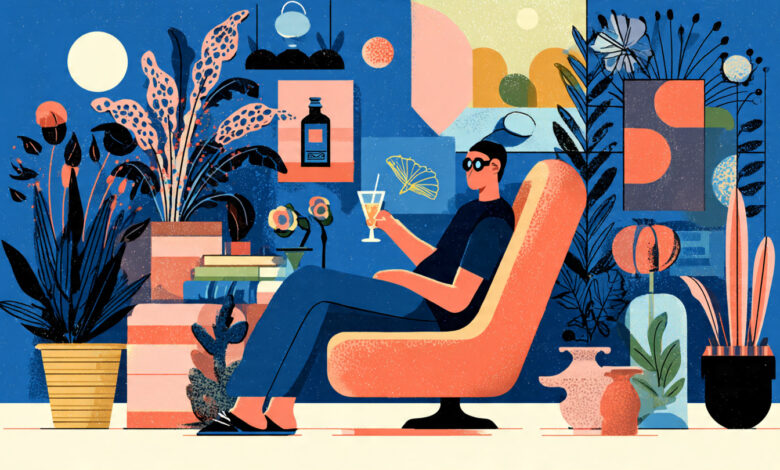
The way we live, work, and care for ourselves is changing faster than ever. As we navigate through 2026, modern lifestyle trends are fundamentally reshaping how we approach wellness, career flexibility, and daily living. From personalized health tracking to the evolution of remote work, these shifts aren’t temporary reactions to recent events. They represent a deeper transformation in our collective priorities and values.
The lifestyle trends 2026 brings aren’t about chasing the next fad. Instead, they reflect a growing desire for authenticity, balance, and meaningful connection in an increasingly digital world. People are investing in their healthspan, not just lifespan. They’re demanding workplace flexibility while building stronger community ties. And they’re learning to navigate technology mindfully, using it as a tool for enhancement rather than allowing it to dominate their lives.
This comprehensive guide explores 20 transformative trends that are redefining what it means to live well in 2026. Whether you’re looking to optimize your health, reimagine your work setup, or create a more balanced life, these insights offer a roadmap for navigating the year ahead with clarity and purpose.
Understanding the Shift: Why 2026 Is Different
Before diving into specific trends, it’s worth understanding what makes this moment unique. According to research from leading health and wellness organizations, we’re experiencing the first generation to have widespread access to personalized health data, flexible work arrangements, and global connectivity simultaneously. This convergence is creating entirely new possibilities for how we structure our lives.
The wellness trends 2026 emphasizes science-backed approaches over quick fixes. People aren’t looking for magic bullets anymore. They want sustainable practices rooted in real data and lived experience. This shift toward evidence-based wellness is changing everything from nutrition to fitness to mental health care.
Health and Wellness Trends
1. Personalized Health Takes Center Stage
Personalized health has moved from luxury to necessity in 2026. Wearable technology like Oura Ring, WHOOP, and advanced Apple Watch features now provide detailed insights into recovery, heart rate variability, and sleep cycles. But the real shift isn’t just about collecting data—it’s about using that information to make meaningful changes.
Advanced bloodwork panels have become more accessible, allowing people to track biomarkers like insulin resistance, inflammation markers, and hormone balance. The global market for blood-based biomarkers is projected to reach $11.58 billion by 2030, reflecting this growing demand for deeper health insights.
Key actions for personalized health:
- Track recovery scores and adjust activity accordingly
- Get comprehensive bloodwork beyond standard panels
- Use glucose monitors to understand metabolic responses
- Customize nutrition based on individual biomarkers
2. Longevity Lifestyle Goes Mainstream
Longevity is no longer just about supplements and biohacking. In 2026, it’s become a comprehensive lifestyle approach that blends metabolic optimization, functional nutrition, strength training, and community connection. People are focusing on healthspan—the years lived in good health—rather than just extending life.


This trend emphasizes mitochondrial support, inflammation reduction, stress resilience, and hormone balance through daily habits. Research continues showing that metabolic flexibility, muscle mass, and inflammation levels are major predictors of healthy aging.
3. Functional Fitness for Life
Forget aesthetic-driven workouts. Functional fitness in 2026 prioritizes lifelong strength, mobility, and metabolic health. This includes:
- Mobility work and balance drills
- Loaded carries and kettlebell training
- Progressive strength training with proper form
- Movement quality over movement quantity
Women especially are embracing strength training after decades of being steered toward cardio. Science has made it clear: strength training improves bone density, hormone balance, metabolic health, and longevity. The question isn’t “Should I lift?” anymore—it’s “Why didn’t I start sooner?”
4. Movement Snacks Replace Long Workouts
As sedentary work continues, movement snacks—short bursts of activity scattered throughout the day—are becoming essential. These brief sessions of stretching, walking, or mobility work counter prolonged sitting, support joint health, and keep metabolism active.
This approach is more sustainable than infrequent, exhausting workouts. Five minutes of movement every hour adds up to meaningful health benefits without requiring a two-hour gym session.
5. Sleep Optimization as Performance Enhancement
Sleep optimization has quietly become one of the most mainstream health upgrades. Once dismissed as a luxury, sleep is now recognized as essential for cognitive function, emotional stability, immune health, and even digestion.
Wearables have transformed sleep from a mystery into measurable data. People now compare recovery scores and deep sleep statistics the way they once compared workout intensity. Rest is no longer framed as laziness—it’s disciplined performance enhancement.
Sleep optimization strategies:
- Consistent sleep schedules
- Evening routines free from screens
- Temperature-controlled sleep environments
- Limiting caffeine and alcohol before bed
6. Nervous System Regulation
2026 is the year nervous system regulation moves from wellness circles into mainstream conversation. Polyvagal-informed therapy, breathwork tools, and somatic practices are helping people understand that a regulated nervous system is the foundation for everything else.
Your nervous system is your operating system. Manage that, and cognitive function, emotional stability, immune health, and digestion all improve. Techniques like controlled breathing, cold exposure, and mindfulness aren’t wellness trends—they’re practical tools for daily functioning.
7. Brain Health and Cognitive Wellness
As people work to match their healthspan with their lifespan, brain health is receiving unprecedented attention. People aren’t accepting age-related cognitive decline as inevitable anymore. Instead, they’re investing in cognitive training apps, neurofeedback, and wearable devices that track brain performance.
Lifestyle factors supporting brain health include:
- Aerobic and resistance exercise
- Sleep optimization
- Stress management techniques
- Social engagement and community connection
According to industry estimates, advancements in cognitive wellness could unlock $26 trillion in global economic value by 2040.
8. Hormonal Health Literacy
Women are leading a revolution in hormonal health literacy. Apps and wearables now offer clearer cycle predictions and real-time feedback. At-home tests provide visibility into thyroid function, cortisol patterns, and reproductive health markers.
This trend gives women language, clarity, and agency—three elements long missing from women’s health conversations. Strength programs built around energy cycles, sleep protocols tailored to hormonal rhythms, and targeted supplements are becoming standard rather than niche.
9. Anti-Inflammatory Lifestyle
The anti-inflammatory diet has evolved beyond simple good-versus-bad food lists. In 2026, it’s about overall patterns that calm chronic inflammation through diet, movement, sleep, supplements, and stress management.
This includes:
- Omega-3 fats and vitamin D
- Magnesium for balance
- Whole foods over processed options
- Regular movement and quality sleep
Studies show that anti-inflammatory dietary patterns improve pain, quality of life, and biomarkers like C-reactive protein in people with chronic conditions.
10. Chrononutrition and Metabolic Timing
Chrononutrition—aligning eating patterns with your body clock—is becoming a major talking point for improved nutrient absorption and metabolic health. This isn’t about strict meal timing, but understanding how your body processes food differently throughout the day.
Work and Professional Life Trends
11. Hybrid Work Becomes the Standard
Hybrid work has shifted from emergency response to deliberate business strategy. In 2026, about 24% of new job postings offer hybrid arrangements, while only 12% are fully remote. The majority still require some office presence, but the flexibility conversation has permanently changed workplace expectations.
Key hybrid work trends:
- Personalized schedules replacing rigid rules
- Technology integration for distributed teams
- Offices redesigned as collaboration hubs
- Employee choice within business needs
According to recent data from Robert Half’s workforce research, 70% of job seekers include hybrid work in their preferred options when ranking workplace arrangements.
12. The Return-to-Office Tension
While employees overwhelmingly prefer flexibility, many companies are increasing office requirements. By 2026, 30% of companies plan full five-day office attendance, and nearly half will require four or more office days weekly.
This disconnect between employer expectations and employee preferences is creating a competitive talent market where flexibility has genuine economic value. Research shows 40% of workers would accept 95% or less of their current salary for remote work options.
13. Work-Life Balance Redefined
Work-life balance in 2026 looks different than it did five years ago. It’s not about perfect separation between professional and personal time. Instead, it’s about autonomy, meaningful work, and flexibility to handle life’s demands without constant stress.
Companies investing in workplace wellness programs with mental health resources, flexible scheduling, and supportive management are seeing better retention and employee satisfaction.
14. Slow Success and Intentional Productivity
The “hustle culture” of the 2010s is giving way to slow success—prioritizing sustainable achievement over burnout-inducing sprints. People are choosing slower mornings, intentional routines, mindful meals, and uninterrupted blocks of deep work.
Science supports this shift: slowing down enhances creativity, reduces inflammation, balances hormones, and improves emotional regulation. This isn’t laziness—it’s strategic performance optimization.
15. Digital Boundaries and Tech Wellness
The digital detox movement has expanded throughout 2026 as people seek relief from persistent digital demands. This includes scheduled screen-free periods, mindful technology use, and prioritizing offline pursuits and direct human contact.
Research shows people practicing digital detox strategies experience 23% better overall well-being and 12% improved productivity. The key isn’t abandoning technology—it’s using it intentionally rather than letting it control your attention.
Living and Community Trends
16. Community-Centered Wellness
One of the most powerful wellness trends 2026 brings is the return to community-centered health. Connection, purpose, and joy aren’t soft factors—they’re deeply biologically protective. People with strong social ties and sense of meaning live significantly longer.
This translates to:
- Communal saunas and wellness retreats
- Social health clubs
- Walking groups and cooking circles
- Neighborhood fitness classes
The shift from seeking treatments to seeking transformation involves reconnecting with ourselves, nature, and others.
17. Home as Recovery Sanctuary
Home spaces are being redesigned as recovery sanctuaries. Wellness-driven design emphasizes biophilic elements, natural materials, and restorative environments. This includes:
- Softened architectural elements with rounded corners
- Natural lighting and circadian-friendly spaces
- Cozy nooks for mental recharge
- Flexible spaces supporting different activities
Creating personal spaces that allow you to tuck away and recharge both mentally and physically is critical to overall well-being.
18. Sustainable Living as Standard Practice
Sustainable living has moved from niche concern to standard lifestyle choice in 2026. This includes:
- Choosing products with shorter ingredient lists
- Supporting local and seasonal food systems
- Reducing waste through mindful consumption
- Selecting brands aligned with environmental values
Consumers actively support environmentally friendly practices when selecting businesses that share their sustainable values. This commitment benefits both the environment and builds stronger communities.
19. Plant-Based Evolution
Plant-based options have evolved beyond imitation meat into a wider ecosystem of protein-rich beverages, snacks, and supplements. Younger consumers particularly view plant proteins as natural alternatives, influencing everything from ready meals to on-the-go drinks marketed around cognition, calm, or immune support.
This aligns with broader wellness trends favoring food and drink that support gut health, stress management, and energy without relying on synthetic additives or highly processed formats.
20. Purpose-Driven Living
Perhaps the most profound lifestyle trend is the shift toward purpose-driven living. People aren’t just optimizing for productivity or longevity—they’re asking deeper questions about meaning, contribution, and legacy.
This includes:
- Choosing work that aligns with values
- Investing time in relationships that matter
- Contributing to community wellbeing
- Making decisions based on long-term fulfillment rather than short-term gains
The integration of purpose with health, work, and daily living creates resilience that transcends individual wellness metrics.
Conclusion
The 20 modern lifestyle trends reshaping 2026 represent more than isolated changes—they reflect a fundamental reimagining of what it means to live well. From personalized health tracking and functional fitness to hybrid work arrangements and community wellness, these trends prioritize sustainable practices over quick fixes. They emphasize authenticity over perfection, connection over isolation, and long-term wellbeing over short-term optimization. Whether you’re optimizing your health through better sleep and movement, redesigning your work life for flexibility and purpose, or creating home spaces that support recovery and growth, the common thread is intentionality. The lifestyle landscape of 2026 isn’t about following every trend—it’s about choosing the practices that genuinely serve your unique needs, values, and vision for a healthier, more balanced life. By embracing evidence-based approaches, maintaining digital boundaries, and fostering meaningful community connections, you can navigate these transformative times with clarity and purpose, building a lifestyle that sustains you for decades to come.